
Work / 04
Humans Tell the Best Stories
Our human experience gives us the ability to tell stories. How we leverage that — while computers filter and amplify content — can make all the difference.
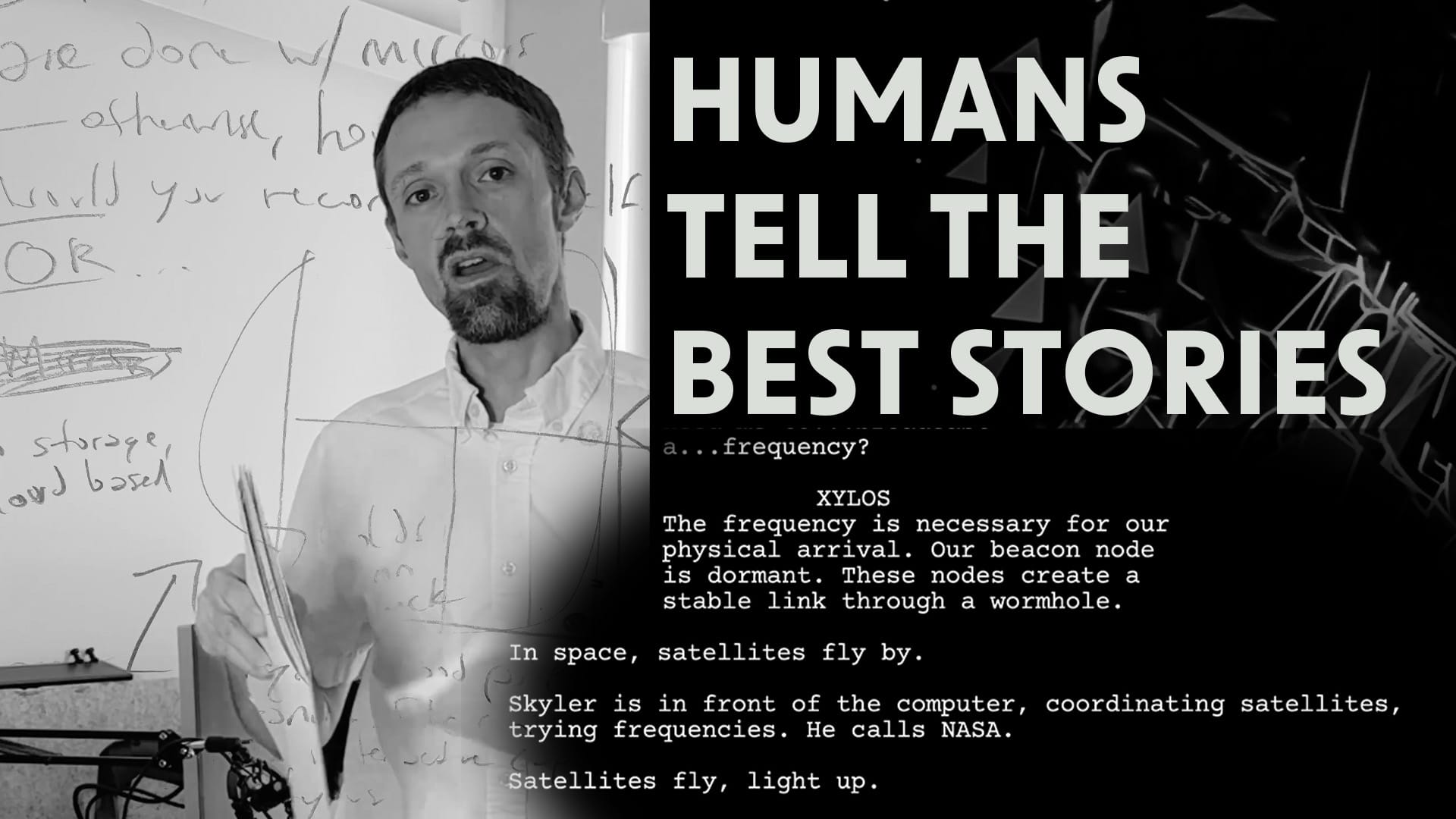

We learn, remember, express and communicate. Whatever info we take in was encoded in some form by another intelligent entity — cave paintings, scrolls in clay jars, phone-tree prompts, instruction manuals, audiobooks, films, and goofy TikTok duets.
We express ourselves in music composition, poetry, and etch-a-sketch. Finger painting and mosaics, jigsaw puzzles. Recording “note-to-self” on tiny cassette voice recorders, lost and then rediscovered by kids who try to figure out what that long strip of shiny stuff is. We paint with acrylics and pixels, write sonnets and ballads on parchment and Digital Audio Workstations, play the kazoo and the hurdy-gurdy.
This is what it is to be human. We get ideas from everyday life; this is translated on paper, in articles, and on film.
Face-to-face interactions involve non-verbal body language mostly — the turn of the head, jump of the eyebrow, twinkling in the eye, and folding of the arms — with the balance of what we say and our tone of voice. This is a unique aspect of human experience.
Keeping it human is part of keeping it real. Sounds obvious, right? It should be. What hasn't been as obvious: computers are now filtering content. We can leverage them to turn what we see in our mind's eye into a finished work — a screenplay, a physical object, or a video.
What we bring to the table is our human experience.
Visual
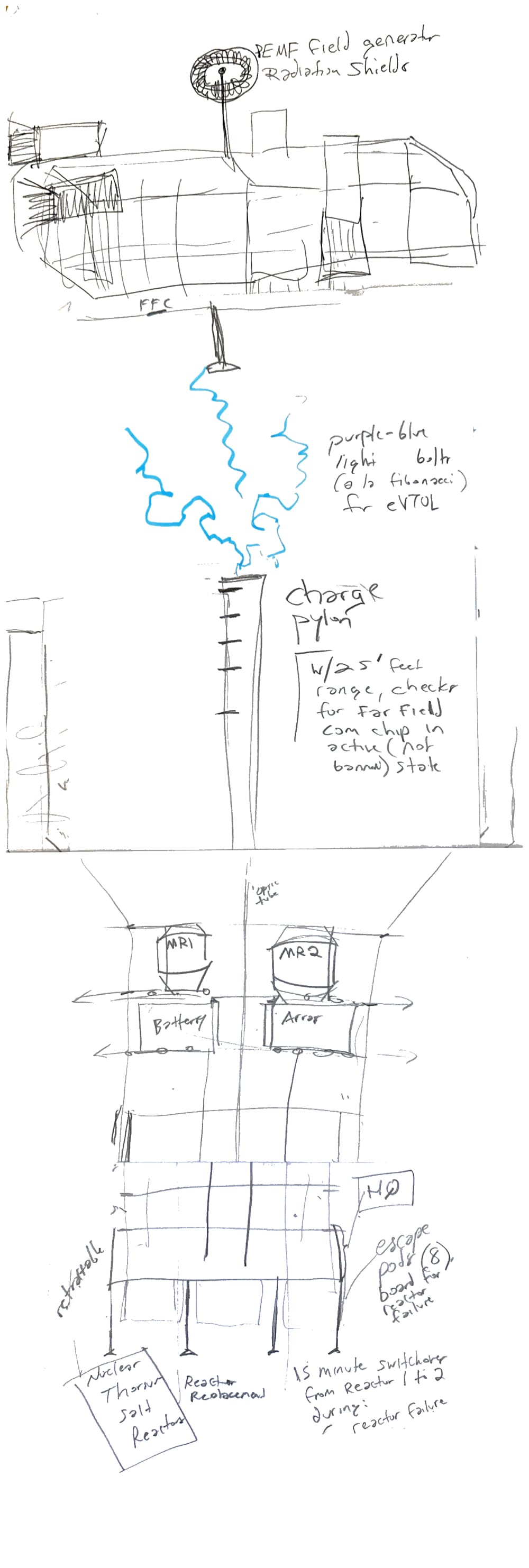
Start a project
Want a concept film like this?
We build proof-of-concept pieces that show the world, the tech, and the tone.